

If you grew up in an Italian-American household like I did, chances are you’ve had a warm bowl of pastina at least once in your life. Just hearing the word pastina recipe brings me right back to my childhood kitchen. It was the first “real” food I learned to eat with a spoon, and even now, whenever I’m feeling under the weather, it’s the dish I crave the most.
Pastina, which literally means “tiny pasta” in Italian, is one of the most nostalgic recipes out there. It’s often called Italian penicillin because of the way it soothes the soul — and maybe even helps when you’re battling a cold. Best of all, it takes just minutes to prepare with simple pantry staples like pasta, butter, chicken broth, and cheese.
In this article, I’ll walk you through everything you need to know: the traditional way to make pastina, ingredient substitutions, tips for the perfect texture, variations for different diets, serving ideas, and storage tricks. Whether you’re making it for a child’s first solid food, a quick weeknight dinner, or a bowl of comfort when you’re not feeling 100%, this recipe has you covered.
Why You’ll Love This Recipe
- Quick and easy: Ready in under 15 minutes from start to finish.
- Kid-friendly: Perfect for picky eaters and little ones learning to eat.
- Comfort food: Soft, buttery, and soothing — like a hug in a bowl.
- Customizable: Delicious with butter and cheese, or rich and hearty with chicken broth.
- Made with pantry staples: All you need is tiny pasta, butter or olive oil, broth, and Parmesan cheese.
This is Italian comfort food at its simplest and finest.
Ingredients You’ll Need
Here’s what you’ll need for a classic bowl of buttery, cheesy pastina.
- 1 cup pastina pasta (acini de pepe, stelline, or any tiny pasta shape)
- 4 cups homemade chicken stock (or low-sodium store-bought chicken broth)
- 2 tablespoons unsalted butter (or extra virgin olive oil for a lighter version)
- ½ cup grated Parmesan cheese (freshly grated for the best flavor)
- Salt and black pepper, to taste
Optional add-ins:
- 1 beaten egg (for egg-drop style pastina)
- 1–2 tablespoons milk or cream (for extra creaminess)
- Fresh parsley, for garnish
Mini-tip: If you’re feeling under the weather, always go with chicken broth instead of water — it makes the dish heartier and more soothing.
Ingredient Substitutions
Don’t worry if you don’t have everything on hand. Here are some easy swaps:
- Pasta: If you can’t find pastina pasta, try acini de pepe, orzo, or tiny couscous. Even broken spaghetti can work in a pinch.
- Butter: Substitute with olive oil for a dairy-free option. It gives a slightly different flavor but is equally delicious.
- Parmesan cheese: Pecorino Romano adds a saltier, sharper edge. You can also use grated mozzarella for a creamier texture.
- Chicken broth: Vegetable broth works well if you want a vegetarian option. Water plus a bouillon cube is another quick fix.
- Egg: If you’re allergic, just leave it out. Pastina is comforting with or without it.
How to Make Pastina Recipe
Here’s the step-by-step method:
- Boil the broth (5 minutes): In a medium saucepan, bring 4 cups of chicken broth to a gentle boil over medium heat.
- Cook the pastina (5–6 minutes): Stir in the pastina pasta and cook until tender, about 5–6 minutes, stirring occasionally to prevent sticking.
- Add butter and cheese (1–2 minutes): Once the pasta is cooked, stir in butter until melted, then mix in Parmesan cheese. Adjust seasoning with salt and black pepper.
- Optional egg (1 minute): If you’d like the egg-drop style, slowly drizzle in one beaten egg while stirring the hot pastina.
- Serve immediately: Ladle into bowls, garnish with parsley if desired, and serve warm.
That’s it! In just about 12 minutes, you’ll have a cozy, steaming bowl of pastina ready to enjoy.


Expert Tips and Common Mistakes to Avoid
- Don’t overcook: Tiny pasta cooks fast — check it at the 5-minute mark. Overcooked pastina can turn mushy.
- Use real Parmesan: Freshly grated Parmesan melts beautifully and adds a rich, nutty flavor. Pre-grated cheese may clump.
- Season at the end: Broth can vary in saltiness, so always taste before adding extra salt.
- Make it creamy: Stir in a splash of milk or cream for a luscious, risotto-like texture.
- Egg drop technique: Whisk the egg well and pour slowly while stirring to avoid large clumps.
Variations & Add-Ons
Pastina is endlessly adaptable! Here are some ideas:
- Gluten-free: Use gluten-free pasta shapes or rice.
- Dairy-free: Replace butter with olive oil and skip the cheese, or use dairy-free Parmesan.
- Vegan: Make it with vegetable broth, olive oil, and nutritional yeast for a cheesy flavor.
- Protein boost: Add shredded chicken or beans for a heartier bowl.
- Flavor variations: Stir in sautéed garlic, spinach, peas, or a squeeze of lemon juice for brightness.
- Creamy pastina: Add more butter, cream, or even a dollop of ricotta cheese.
Serving Suggestions
Pastina shines on its own, but you can pair it with:
- A side of roasted vegetables.
- Garlic bread or crusty Italian bread.
- Grilled chicken or salmon.
- A fresh green salad for balance.
For presentation, serve it in wide bowls, sprinkle with fresh parsley, and add a drizzle of olive oil on top. It’s a simple dish, but it looks elegant with just a little garnish.
Storage & Reheating
- Fridge: Store leftovers in an airtight container in the fridge for up to 3 days.
- Freezer: Not recommended, as the pasta can become mushy when thawed.
- Reheating: Reheat gently on the stovetop over low heat, adding extra broth or water to loosen it up. Microwave works too, but stir halfway through.
Nutrition Information (per serving, approx.)
- Calories: 280
- Protein: 9g
- Carbs: 38g
- Fat: 10g
- Fiber: 2g
- Sodium: 520mg
Prep, Cook, and Total Time
- Prep Time: 5 minutes
- Cook Time: 10 minutes
- Total Time: 15 minutes
Frequently Asked Questions
What kind of pasta is used for pastina?
Traditional pastina is made with tiny pasta shapes like acini de pepe or stelline. If you can’t find them, orzo or even broken spaghetti can work as a substitute.
Is pastina healthy?
Yes! Pastina can be part of a balanced meal. Made with chicken broth, butter, and Parmesan, it provides carbs for energy and protein from the cheese. You can boost nutrition by adding veggies or lean protein.
Can I make pastina without cheese?
Absolutely. Many people enjoy pastina with just butter or olive oil. For a dairy-free version, skip the cheese or use nutritional yeast.
What’s the difference between pastina and orzo?
Orzo is slightly larger and shaped like rice, while pastina refers to very small pasta shapes such as stars or acini de pepe. Both can be used interchangeably in this recipe.
Why is pastina called Italian penicillin?
It’s often called Italian penicillin because it’s the ultimate comfort food — warm, soothing, and easy to digest, especially when you’re feeling under the weather.
Is pastina safe for babies?
Yes, pastina is often one of the first solid foods Italian families give babies. Just cook it until very soft and avoid adding salt. You can mix it with a little broth or puréed veggies.
Conclusion
There you have it — the classic pastina recipe, a dish that proves sometimes the simplest foods are the most comforting. With its tender pasta, buttery richness, and cozy flavors, pastina is more than just a meal — it’s a memory, a tradition, and a bowl full of love.
Next time you need comfort food that’s quick, nourishing, and satisfying, whip up a pot of pastina. Trust me, one spoonful and you’ll understand why it’s been passed down through generations.
👉 Have you tried making pastina at home? Share your favorite variation in the comments, and don’t forget to rate the recipe!

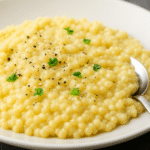
Pastina Recipe
Ingredients
- 1 cup pastina acini de pepe, stelline, or other tiny pasta shapes
- 4 cups chicken broth or vegetable broth for vegetarian
- 2 tablespoons unsalted butter or olive oil
- ¼ cup grated Parmesan cheese plus more for serving
- Salt and black pepper to taste
- Optional: fresh parsley or basil for garnish
Instructions
- In a medium pot, bring the chicken broth to a gentle boil over medium heat.
- Add the pastina and cook for 5–7 minutes, stirring occasionally, until the pasta is tender.
- Reduce the heat to low and stir in the butter until melted.
- Add the Parmesan cheese and mix until creamy.
- Taste and adjust with salt and black pepper.
- Serve hot, garnished with extra Parmesan or fresh herbs if desired.
Notes
- For babies, cook the pastina extra soft and avoid adding salt or strong cheese.
- Olive oil can replace butter for a lighter, dairy-free version.
- Add peas, carrots, or spinach to boost nutrition and color.
- Leftovers thicken as they cool; stir in extra broth or water when reheating.