

If you’ve ever wanted to impress your family with a restaurant-worthy seafood dish — without actually being a chef — this baked mahi mahi recipe is the one.
I first made this dish after a beach vacation in Maui, where mahi mahi (also called “dolphinfish,” though don’t worry — it’s not the mammal!) was served almost everywhere. When I came home, I wanted to recreate that same fresh, buttery flavor in my own kitchen — without the deep fryer, the mess, or the fuss.
This oven-baked version uses simple pantry staples — olive oil, lemon juice, garlic powder, and onion powder — to transform mild, flaky mahi mahi fish into a tender, flavorful dinner you’ll crave again and again.
You’ll find everything you need right here: step-by-step instructions, pro tips, ingredient swaps, serving ideas, and even how to turn leftovers into easy fish tacos for lunch tomorrow.
Why You’ll Love This Recipe
- Quick & easy: Dinner on the table in 20 minutes, start to finish.
- Healthy: High in protein, low in fat, and full of omega-3s.
- Simple ingredients: Just basic seasonings — no fancy sauces required.
- Perfectly cooked: Moist, flaky, and never dry.
- Versatile: Works with fresh or frozen fillets and pairs with almost anything — rice, veggies, salad, or tacos.
Whether you’re new to cooking fish or just want a reliable oven baked mahi recipe, this one’s a keeper.
Ingredients You’ll Need
Here’s everything you need to make this baked mahi mahi recipe:
For the Fish
- 4 mahi mahi fillets (about 6 oz each) — fresh or frozen and thawed.
Tip: Look for firm, pinkish-white fillets with a mild, ocean-fresh scent. - 1 tablespoon olive oil – helps lock in moisture and adds richness.
- ½ teaspoon salt – enhances flavor and balances acidity.
- ¼ teaspoon black pepper – freshly ground if possible.
- ½ teaspoon garlic powder – adds depth without overpowering.
- ½ teaspoon onion powder – subtle sweetness to complement the lemon.
- ¼ teaspoon paprika – optional, for color and a hint of warmth.
- 1 tablespoon fresh lemon juice – brightens everything.
Optional Garnish
- Fresh parsley or dill, chopped.
- Extra lemon wedges for serving.
Prep, Cook, & Total Time
| Step | Time |
|---|---|
| Prep Time | 5 minutes |
| Cook Time | 15 minutes |
| Total Time | 20 minutes |
Ingredient Substitutions
Don’t worry if you’re missing an ingredient or two — this recipe is forgiving and flexible.
- Mahi mahi: Substitute with cod, halibut, snapper, or another firm white fish.
- Olive oil: Use melted butter, avocado oil, or grapeseed oil for a richer or lighter touch.
- Lemon juice: Try lime juice for a tropical twist or white wine vinegar for tang.
- Garlic powder: Replace with fresh minced garlic for a more intense aroma (1 clove ≈ ¼ teaspoon powder).
- Paprika: Use smoked paprika for a deeper flavor, or skip it entirely for a milder dish.
How to Make Baked Mahi Mahi Recipe (Step-by-Step)
Step 1: Preheat Your Oven
Preheat your oven to 400°F (204°C). This is the ideal temperature for baking fish — hot enough to crisp the edges but gentle enough to keep it moist inside.
Step 2: Prep Your Baking Sheet
Line a baking sheet with foil or parchment paper for easy cleanup. Lightly grease it with olive oil or nonstick spray.
Step 3: Pat the Fish Dry
Using paper towels, gently pat each mahi fillet dry. This helps the seasoning stick and prevents steaming (which can make the fish soggy).
Step 4: Season the Fillets
In a small bowl, mix the salt, pepper, garlic powder, onion powder, and paprika. Brush the fillets with olive oil and fresh lemon juice, then sprinkle the seasoning mix evenly on both sides.
Don’t be shy — a generous coating of seasoning brings out the fish’s natural sweetness.
Step 5: Bake the Fish
Arrange the fillets on your prepared baking sheet, leaving space between them for even cooking.
Bake for 12–15 minutes, depending on thickness, until the fish flakes easily with a fork and the internal temperature reaches 137–140°F.
You’ll know it’s done when the fish turns opaque and starts to flake beautifully.
Step 6: Serve and Enjoy
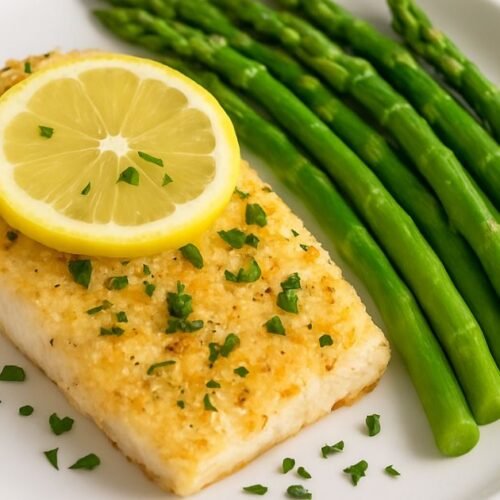
Squeeze a little extra lemon juice over the top, sprinkle with fresh herbs, and serve immediately.
I like to add a drizzle of olive oil just before serving — it gives the fish that glossy, just-baked look and enhances the buttery flavor.
Expert Tips & Mistakes to Avoid
- Don’t overbake! Mahi mahi cooks quickly — check it at the 12-minute mark.
- Dry before seasoning. Moisture prevents browning and flavor absorption.
- Use a thermometer. For perfect results, the fish should reach 137–140°F inside.
- Fresh is best. Fresh mahi has a firm texture and mild aroma; avoid fillets that smell “fishy.”
- Let it rest. A brief 2-minute rest after baking allows juices to redistribute, keeping it moist.
Variations & Add-Ons
- Garlic Herb Butter Mahi Mahi: After baking, top fillets with a pat of garlic herb butter and let it melt into the fish.
- Spicy Cajun Style: Swap the paprika for Cajun seasoning or Old Bay for a Southern twist.
- Panko-Crusted Mahi: Before baking, lightly coat the fillets in seasoned breadcrumbs for extra crunch.
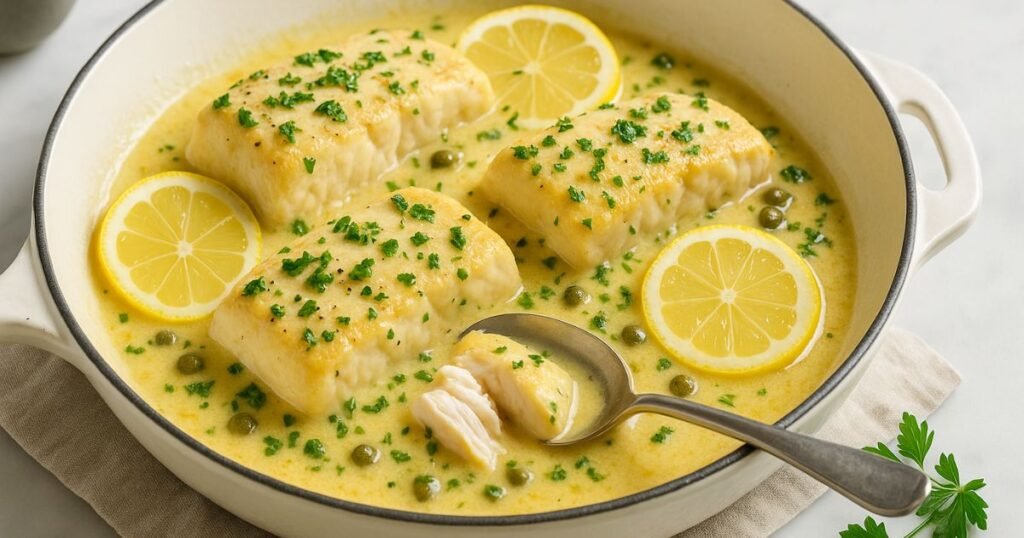
- Mediterranean Flavor: Add cherry tomatoes, olives, and capers to the pan for a briny burst of flavor.
- Fish Tacos: Flake leftovers into soft tortillas, add slaw, lime crema, and avocado for amazing mahi tacos.
You can also make this dish dairy-free (no butter) or gluten-free (no breadcrumbs) with zero fuss — it’s naturally light and clean.
Serving Suggestions
Here are a few ways to serve your beautifully baked mahi mahi:
- With steamed rice or garlic mashed potatoes.
- Over mixed greens with a drizzle of balsamic or lemon vinaigrette.
- Alongside grilled vegetables, like asparagus or zucchini.
- With a side of mango salsa or pineapple chutney for a tropical twist.
- In fish tacos with shredded cabbage, avocado, and lime crema.
For a dinner that feels fancy but takes minimal effort, I like serving it with roasted potatoes and a simple green salad. Add a glass of white wine, and it’s pure perfection.
Storage & Reheating
- Refrigerate: Store leftovers in an airtight container for up to 3 days.
- Freeze: Place cooled fillets in a freezer-safe bag for up to 2 months. Thaw in the fridge overnight.
- Reheat: Warm gently in a 350°F oven for 8–10 minutes or microwave on 50% power for 1–2 minutes. Avoid overcooking — it dries quickly!
- Repurpose: Flake cold mahi for salads, tacos, or sandwiches.
Nutrition Information (Per Serving)
| Nutrient | Amount (approx.) |
|---|---|
| Calories | 210 kcal |
| Protein | 38 g |
| Fat | 6 g |
| Carbohydrates | 1 g |
| Fiber | 0 g |
| Sugar | 0 g |
| Sodium | 360 mg |
Mahi mahi is one of the leanest, cleanest protein sources you can eat — and it’s absolutely delicious baked like this.
Frequently Asked Questions
What temperature should mahi mahi be cooked to?
Mahi mahi is perfectly cooked when the internal temperature reaches 137–140°F and flakes easily with a fork.
Can I use frozen mahi mahi for this recipe?
Yes, just thaw it overnight in the refrigerator and pat dry with paper towels before seasoning and baking.
How do I know when mahi mahi is done baking?
It’s ready when the fish turns opaque and flakes easily with a fork. The edges should be slightly golden.
Can I bake mahi mahi with vegetables?
Absolutely! Add quick-cooking vegetables like cherry tomatoes, zucchini, or bell peppers to the baking sheet for a full meal.
What does mahi mahi taste like?
Mahi mahi has a mild, slightly sweet flavor with a firm texture. It’s not fishy, making it great for both kids and adults.
Can I make this baked mahi mahi without lemon?
Yes, replace lemon juice with lime or a splash of vinegar for brightness. Acidity helps balance the flavors beautifully.
Conclusion
This baked mahi mahi recipe is one of those dishes that proves great meals don’t need to be complicated. With a few pantry ingredients and about 20 minutes, you’ll have a restaurant-quality seafood dinner right out of your oven.
It’s healthy, flavorful, and so versatile — whether you’re serving it with veggies for a light dinner or turning it into irresistible fish tacos the next day.
Once you’ve made it, you’ll never look at frozen fish the same way again. Promise.
If you try this recipe, let me know how it turned out! Leave a comment, share it with a seafood-loving friend, or tag your creation — I love seeing your kitchen wins.
Baked Mahi Mahi Recipe
Ingredients
- For the Fish
- 4 mahi mahi fillets about 6 oz each — fresh or frozen and thawed.
- Tip: Look for firm pinkish-white fillets with a mild, ocean-fresh scent.
- 1 tablespoon olive oil – helps lock in moisture and adds richness.
- ½ teaspoon salt – enhances flavor and balances acidity.
- ¼ teaspoon black pepper – freshly ground if possible.
- ½ teaspoon garlic powder – adds depth without overpowering.
- ½ teaspoon onion powder – subtle sweetness to complement the lemon.
- ¼ teaspoon paprika – optional for color and a hint of warmth.
- 1 tablespoon fresh lemon juice – brightens everything.
- Optional Garnish
- Fresh parsley or dill chopped.
- Extra lemon wedges for serving.
Instructions
- Preheat Your Oven
- Preheat your oven to 400°F (204°C). This is the ideal temperature for baking fish — hot enough to crisp the edges but gentle enough to keep it moist inside.
- Prep Your Baking Sheet
- Line a baking sheet with foil or parchment paper for easy cleanup. Lightly grease it with olive oil or nonstick spray.
- Pat the Fish Dry
- Using paper towels, gently pat each mahi fillet dry. This helps the seasoning stick and prevents steaming (which can make the fish soggy).
- Season the Fillets
- In a small bowl, mix the salt, pepper, garlic powder, onion powder, and paprika. Brush the fillets with olive oil and fresh lemon juice, then sprinkle the seasoning mix evenly on both sides.
- Don’t be shy — a generous coating of seasoning brings out the fish’s natural sweetness.
- Bake the Fish
- Arrange the fillets on your prepared baking sheet, leaving space between them for even cooking.
- Bake for 12–15 minutes, depending on thickness, until the fish flakes easily with a fork and the internal temperature reaches 137–140°F.
- You’ll know it’s done when the fish turns opaque and starts to flake beautifully.
- Serve and Enjoy
- Squeeze a little extra lemon juice over the top, sprinkle with fresh herbs, and serve immediately.
- I like to add a drizzle of olive oil just before serving — it gives the fish that glossy, just-baked look and enhances the buttery flavor.
Notes
- Don’t overbake! Mahi mahi cooks quickly — check it at the 12-minute mark.
- Dry before seasoning. Moisture prevents browning and flavor absorption.
- Use a thermometer. For perfect results, the fish should reach 137–140°F inside.
- Fresh is best. Fresh mahi has a firm texture and mild aroma; avoid fillets that smell “fishy.”
- Let it rest. A brief 2-minute rest after baking allows juices to redistribute, keeping it moist.