

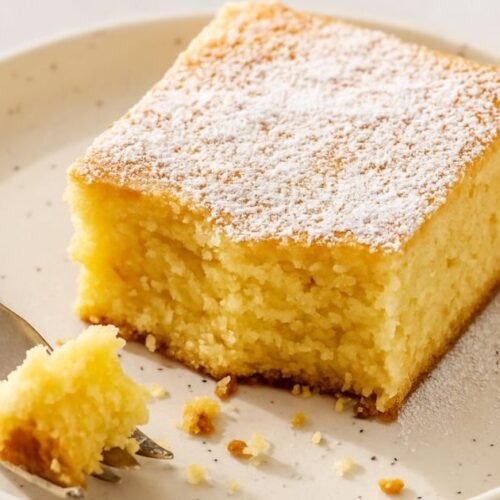
When I was growing up, the smell of a butter cake baking in the oven was my definition of comfort. You know the kind of smell I’m talking about—the sweet, buttery aroma that fills the kitchen and makes everyone wander in to see if they can sneak a taste. A butter cake recipe might sound simple, but sometimes the simplest recipes are the ones that bring the most joy.
If you’ve ever searched for a cake that’s moist yet fluffy, rich without being too heavy, and versatile enough for birthdays, potlucks, or even just a cozy afternoon with tea, this is it. In this guide, I’ll walk you through exactly how to make a foolproof butter cake from scratch, including the ingredients, step-by-step instructions, tips, variations, and even how to store it so it stays just as delicious the next day.
Why You’ll Love This Recipe
- Simple pantry ingredients: Nothing fancy, just butter, sugar, flour, eggs, and milk.
- Comforting flavor: The classic balance of sweetness and buttery richness.
- Versatile: Enjoy plain, dusted with powdered sugar, or topped with berries and whipped cream.
- Reliable texture: Soft, moist crumb with a golden crust every time.
- Beginner-friendly: If you can cream butter and sugar, you can master this cake!
(And if you’ve been looking for a reliable alternative to chocolate or sponge cakes in your rotation of dessert recipes, this one will fit right in.)
Ingredients You’ll Need
Here’s everything you’ll need for this butter cake recipe (makes 8–10 slices):
- 1 cup (2 sticks) unsalted butter, softened – the star of the show, use good-quality butter.
- 1 ½ cups granulated sugar – gives sweetness and helps with structure.
- 4 large eggs, room temperature – binds the cake and adds richness.
- 2 ½ cups all-purpose flour – spoon and level for accuracy.
- 2 ½ tsp baking powder – gives rise and fluffiness.
- ½ tsp kosher salt – balances the sweetness.
- 1 cup whole milk, room temperature – adds moisture.
- 2 tsp pure vanilla extract – deepens flavor.
Mini tip: Always use room-temperature butter, eggs, and milk—this ensures the batter blends smoothly.
Ingredient Substitutions
- Butter: If you only have salted butter, reduce added salt to a pinch. For a dairy-free option, use a plant-based butter substitute (though flavor will differ slightly).
- Sugar: Swap granulated sugar with light brown sugar for a subtle caramel undertone.
- Flour: For gluten-free, use a 1:1 gluten-free flour blend.
- Milk: Whole milk gives the best richness, but you can use 2% or even almond milk for a lighter version.
- Vanilla: Try almond extract or lemon zest for a flavor twist.
How to Make Butter Cake Recipe
- Prep Time: 20 minutes
- Cook Time: 45–50 minutes
- Total Time: ~1 hour 10 minutes
Here’s the step-by-step guide to baking the perfect butter cake:
- Preheat and prepare (5 minutes):
Preheat your oven to 350°F (175°C). Grease and flour a 9×13-inch baking pan or two 9-inch round pans. - Cream the butter and sugar (5 minutes):
In a large mixing bowl, use a hand mixer or stand mixer to beat the butter and sugar together on medium-high speed until light and fluffy (about 3–4 minutes). - Add eggs (3 minutes):
Beat in the eggs one at a time, scraping the sides of the bowl after each addition. - Mix dry ingredients (2 minutes):
In a separate bowl, whisk together the flour, baking powder, and salt. - Combine wet and dry (5 minutes):
Reduce the mixer speed to low. Add the dry ingredients in three additions, alternating with milk, beginning and ending with flour. Mix until just combined—don’t overmix. - Add vanilla (1 minute):
Stir in vanilla extract until fully incorporated. - Bake (45–50 minutes):
Pour batter into the prepared pan(s) and smooth the top. Bake until golden brown and a toothpick inserted into the center comes out clean. - Cool and serve (15 minutes):
Let the cake cool in the pan for 10 minutes, then transfer to a wire rack. Serve warm, at room temperature, or frosted.
Sensory cue: The cake should be golden on top, with edges pulling slightly away from the pan.

Expert Tips & Common Mistakes to Avoid
- Use room temperature ingredients. Cold eggs or butter can cause the batter to separate.
- Don’t overmix. This can make the cake tough—mix just until combined.
- Check early. Start testing for doneness at 40 minutes; ovens vary.
- Cream properly. The step of beating butter and sugar is key to getting that light, fluffy texture.
- Mistake to avoid: Opening the oven door too often—this causes uneven baking.
Variations & Add-Ons
- Gluten-free: Use a 1:1 gluten-free flour blend.
- Dairy-free: Replace butter with vegan butter and milk with almond or oat milk.
- Lemon butter cake: Add 1 tbsp lemon zest and swap half the vanilla with lemon extract.
- Marble cake: Swirl in ½ cup melted chocolate or cocoa paste before baking.
- Topping ideas: Powdered sugar dusting, cream cheese frosting, chocolate ganache, or fresh berries.
Serving Suggestions
- Serve slices plain with coffee or tea.
- Dress it up with whipped cream and strawberries for a light dessert.
- Add a scoop of vanilla ice cream for extra indulgence.
- Layer with buttercream for a birthday cake.
- Cut into squares and serve with glaze at potlucks.
Storage & Reheating
- Room temperature: Store covered for up to 3 days.
- Fridge: Wrap tightly and refrigerate for up to 1 week.
- Freezer: Freeze individual slices wrapped in plastic, then foil, for up to 3 months.
- Reheating: Warm slices in the microwave for 10–15 seconds or in a 300°F oven for 5 minutes to refresh.
Nutrition Information (per slice, based on 10 slices)
- Calories: ~340
- Protein: 5g
- Carbs: 46g
- Fat: 16g
- Sugar: 28g
- Sodium: 230mg
Frequently Asked Questions
What’s the difference between butter cake and pound cake?
Butter cake is lighter and fluffier with baking powder, while pound cake is denser and made with equal parts butter, sugar, eggs, and flour.
Can I make this recipe in advance?
Yes! Butter cake keeps well and tastes even better the next day.
Can I frost this butter cake?
Absolutely. It pairs beautifully with chocolate frosting, cream cheese frosting, or a simple glaze.
Why did my butter cake sink in the middle?
This usually means it was underbaked or the oven door was opened too early.
Can I use buttermilk instead of milk?
Yes! Buttermilk gives the cake a tender crumb and a slight tang.
Can I double this recipe?
Yes, just use a larger pan and adjust the baking time slightly.
Conclusion
This butter cake recipe is one of those timeless classics you’ll keep coming back to. It’s simple, comforting, and versatile enough for everyday baking or special occasions. With just a handful of pantry staples and some careful mixing, you can create a cake that’s moist, golden, and bursting with buttery flavor.
Give it a try, and I promise your kitchen will smell like heaven. And when you do, come back and let me know—did you serve it plain, with frosting, or maybe as a layered masterpiece? I can’t wait to hear how you make it your own.
Note: I’ve been baking butter cakes for family birthdays and neighborhood potlucks for years, and this is the recipe that never fails me. It’s my go-to for when I want to share something comforting yet elegant. I hope it becomes a favorite in your home too!
Butter Cake Recipe
Ingredients
- 1 cup 2 sticks unsalted butter, softened – the star of the show, use good-quality butter.
- 1 ½ cups granulated sugar – gives sweetness and helps with structure.
- 4 large eggs room temperature – binds the cake and adds richness.
- 2 ½ cups all-purpose flour – spoon and level for accuracy.
- 2 ½ tsp baking powder – gives rise and fluffiness.
- ½ tsp kosher salt – balances the sweetness.
- 1 cup whole milk room temperature – adds moisture.
- 2 tsp pure vanilla extract – deepens flavor.
Instructions
- Preheat and prepare (5 minutes):
- Preheat your oven to 350°F (175°C). Grease and flour a 9×13-inch baking pan or two 9-inch round pans.
- Cream the butter and sugar (5 minutes):
- In a large mixing bowl, use a hand mixer or stand mixer to beat the butter and sugar together on medium-high speed until light and fluffy (about 3–4 minutes).
- Add eggs (3 minutes):
- Beat in the eggs one at a time, scraping the sides of the bowl after each addition.
- Mix dry ingredients (2 minutes):
- In a separate bowl, whisk together the flour, baking powder, and salt.
- Combine wet and dry (5 minutes):
- Reduce the mixer speed to low. Add the dry ingredients in three additions, alternating with milk, beginning and ending with flour. Mix until just combined—don’t overmix.
- Add vanilla (1 minute):
- Stir in vanilla extract until fully incorporated.
- Bake (45–50 minutes):
- Pour batter into the prepared pan(s) and smooth the top. Bake until golden brown and a toothpick inserted into the center comes out clean.
- Cool and serve (15 minutes):
- Let the cake cool in the pan for 10 minutes, then transfer to a wire rack. Serve warm, at room temperature, or frosted.
Notes
- Use room temperature ingredients. Cold eggs or butter can cause the batter to separate.
- Don’t overmix. This can make the cake tough—mix just until combined.
- Check early. Start testing for doneness at 40 minutes; ovens vary.
- Cream properly. The step of beating butter and sugar is key to getting that light, fluffy texture.
- Mistake to avoid: Opening the oven door too often—this causes uneven baking.
- Room temperature: Store covered for up to 3 days.
- Fridge: Wrap tightly and refrigerate for up to 1 week.
- Freezer: Freeze individual slices wrapped in plastic, then foil, for up to 3 months.
- Reheating: Warm slices in the microwave for 10–15 seconds or in a 300°F oven for 5 minutes to refresh.